

Technical library
FEIYIDA Technical guides for robot joint actuators, frameless torque motors and UAV propulsion.
Latest guide
Newest from
the test bench.
Every guide here starts with the measurement that settled a design question — a seal depth, a tolerance stack, a CAN frame timing. This is the most recent one added to the library.
-
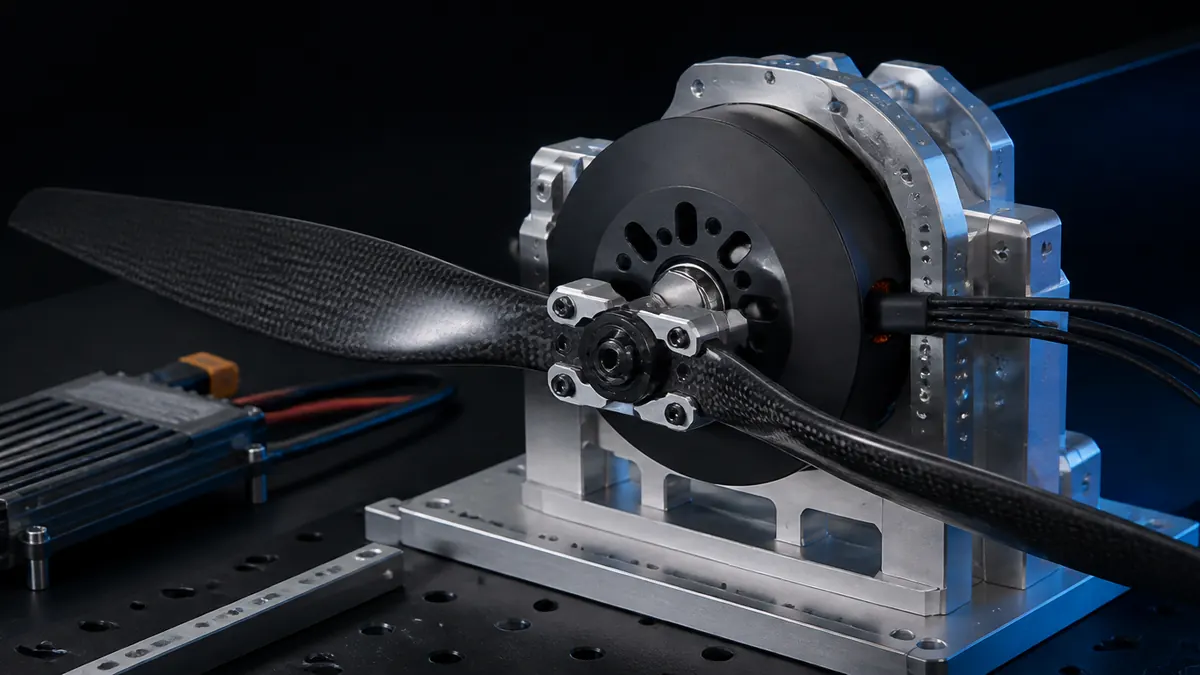
Motor, ESC and propeller are one thrust group — test them together
A motor tested on its own tells you nothing about thrust per amp. Why the three are specified as a group, and what the bench measures before a propeller is signed off.
All guides
Browse the technical guides
by topic.
Written from bench work on robot joint actuators and frameless torque motors. Filter by topic, or search for a protocol, a model code or a failure mode.
— guides shown
-
Motor, ESC and propeller are one thrust group — test them together
A motor tested on its own tells you nothing about thrust per amp. Why the three are specified as a group, and what the bench measures before a propeller is signed off.
-

Tuning a position loop on a geared joint: where PID stops working
A gearbox adds backlash and compliance that no amount of proportional gain can fix. What to change in the loop instead, and the step response that tells you the change actually worked.
-

Twelve joints, one bus: allocating torque in a quadruped leg
Hip abduction, hip flexion and knee share a load path that changes with every gait phase. How the torque budget is split across the three, and where the margin belongs.
-
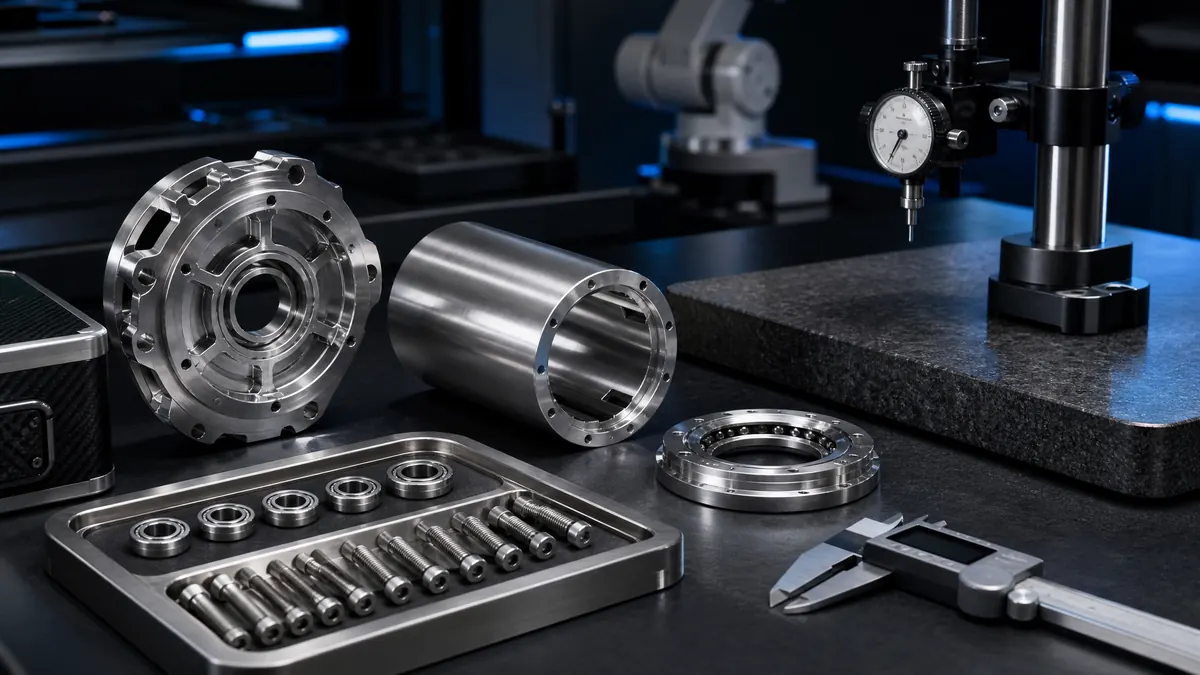
Tolerance stack-up in a sealed joint: where the air gap actually goes
Rotor, stator, bearing seat and housing each carry a tolerance. How they accumulate at the air gap, and the stack we hold to keep the rotor concentric with the seal.
-
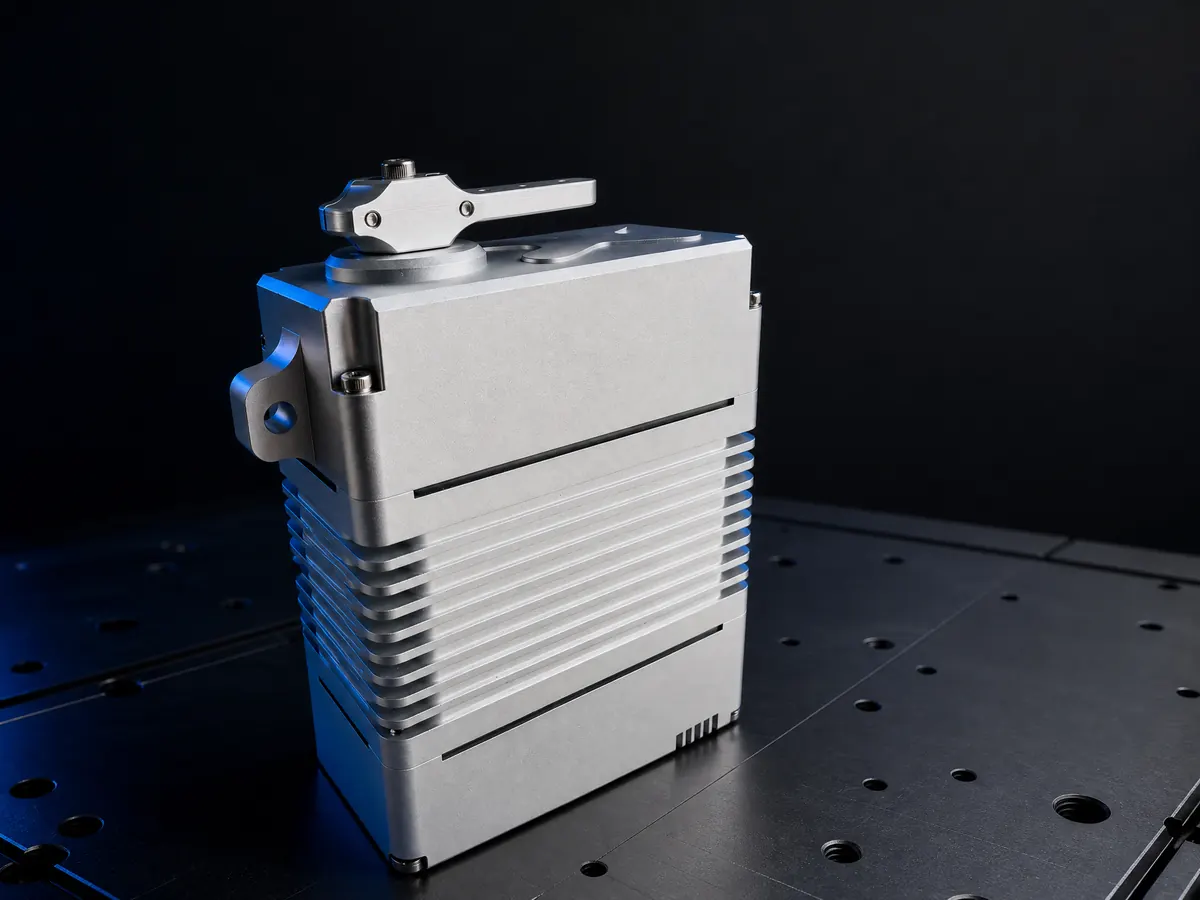
XQ–60 sealed joint actuator added to the servo range
A frame size that sits between the existing 40 and 80 platforms, in the same sealed body. The four-bolt mounting interface and cable exit are unchanged, so an existing bracket carries it without a redesign.
-
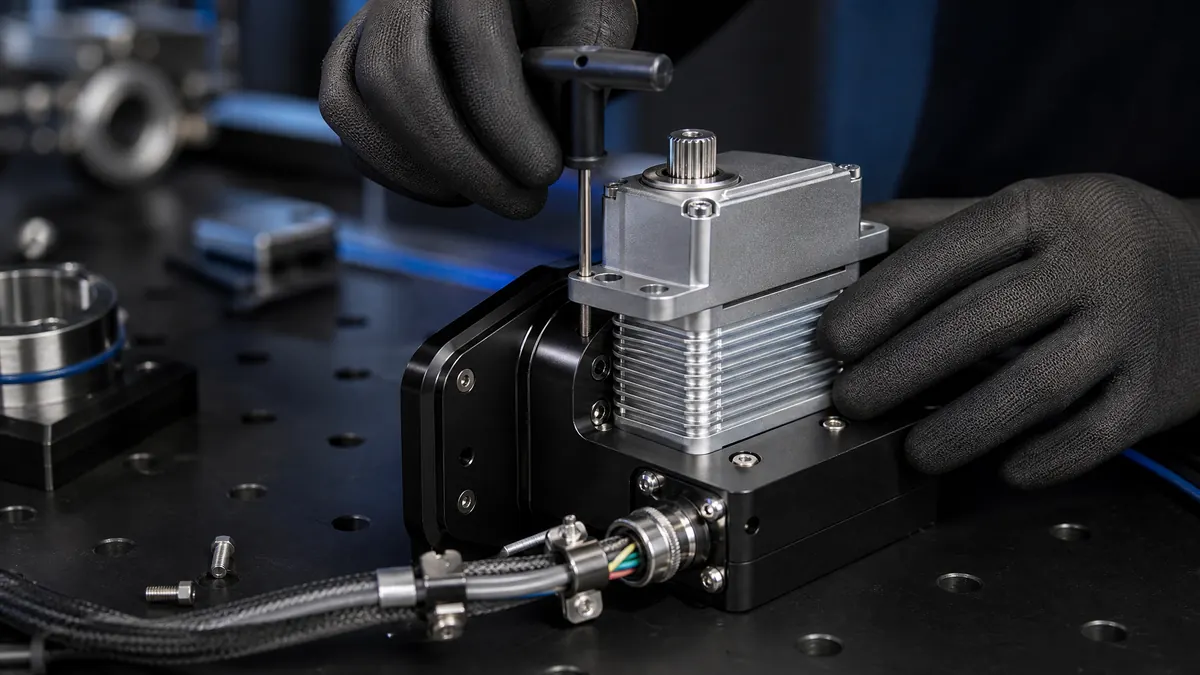
CAN bus timing on a multi-joint robot: what the bit-rate table does not say
Sample point, propagation delay and cable length decide whether a 1 Mbit bus survives twelve nodes. The timing budget we hold, and how it is verified before the harness is released.
-
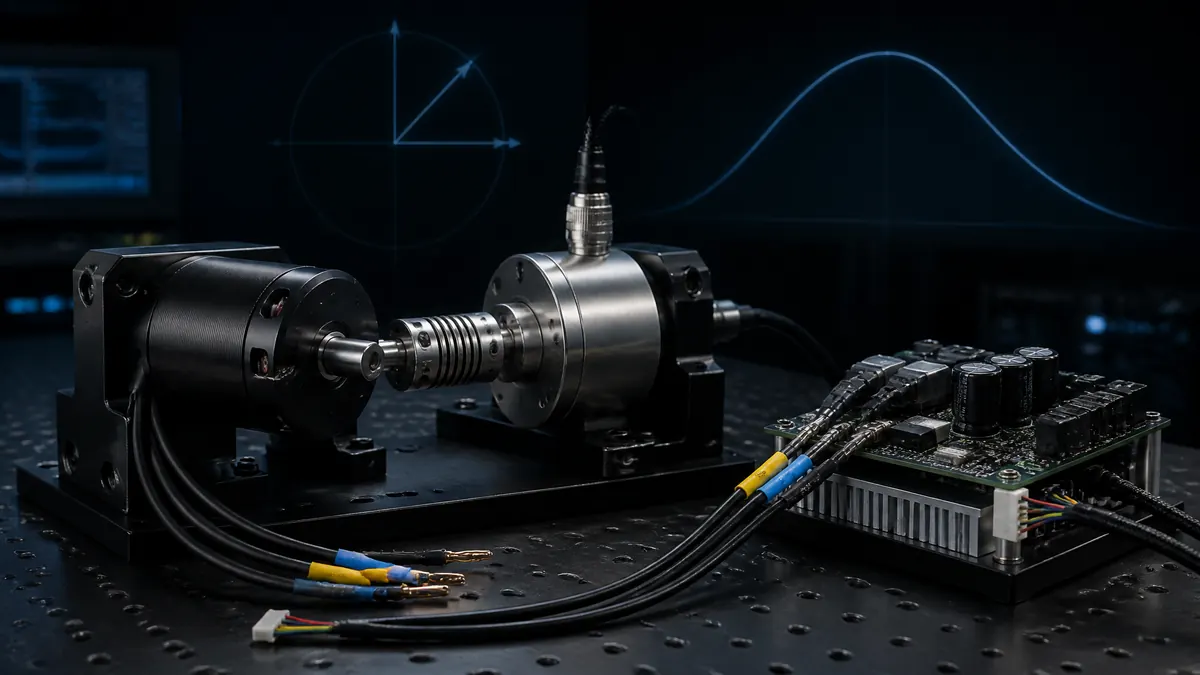
Current-loop bandwidth on a low-inductance motor: what the drive can actually deliver
Low inductance pulls the electrical time constant down and the current ripple up. The bandwidth figure on the datasheet, the one you can measure on the bench, and the gap between them.
Engineering support
Need the number
behind the guide?
Send the joint or the airframe, not a part number. We answer with the measurement, the model that meets it, and the test we will run before it ships.